

Most people hurt on a rig are told the same thing on the way to the clinic: workers’ compensation will handle it, and there is nothing else to pursue. In Texas that is often wrong, and the difference is measured in years of medical care.
Texas is the only state in the country that lets private employers decline workers’ compensation coverage. A great many oilfield contractors do exactly that. When they do, the trade they made cuts against them, because an injured worker can sue them directly and the company loses the defenses it would normally rely on.
Our founder, George Salinas, is a member of the American Board of Trial Advocates, which admits attorneys only after at least 10 completed jury trials and a vote by plaintiff attorneys, defense attorneys, and judges. The firm has recovered more than $100 million for injured Texans.
Free case review, 24/7, in English or Spanish. Call (210) 225-0909.
The first question after an oilfield injury in Texas is whether your employer carried workers’ compensation. Texas is the only state where private employers may opt out. Employers that opt out, called nonsubscribers, can be sued directly for negligence and lose three of their strongest defenses. George Salinas Injury Lawyers handles oilfield injury claims across the Eagle Ford Shale from San Antonio. Call (210) 225-0909.
Resources On This Page
- Did Your Employer Carry Workers’ Compensation?
- What If Your Employer Did Carry Workers’ Compensation?
- Do Maritime Laws Like the Jones Act Apply to Eagle Ford Rigs?
- Where Do Eagle Ford Injuries Actually Happen?
- What Kinds of Oilfield Injuries Do You Handle?
- Why Do Oilfield Cases Need to Move Fast?
- How Long Do You Have to File?
- FAQ
Did Your Employer Carry Workers’ Compensation?
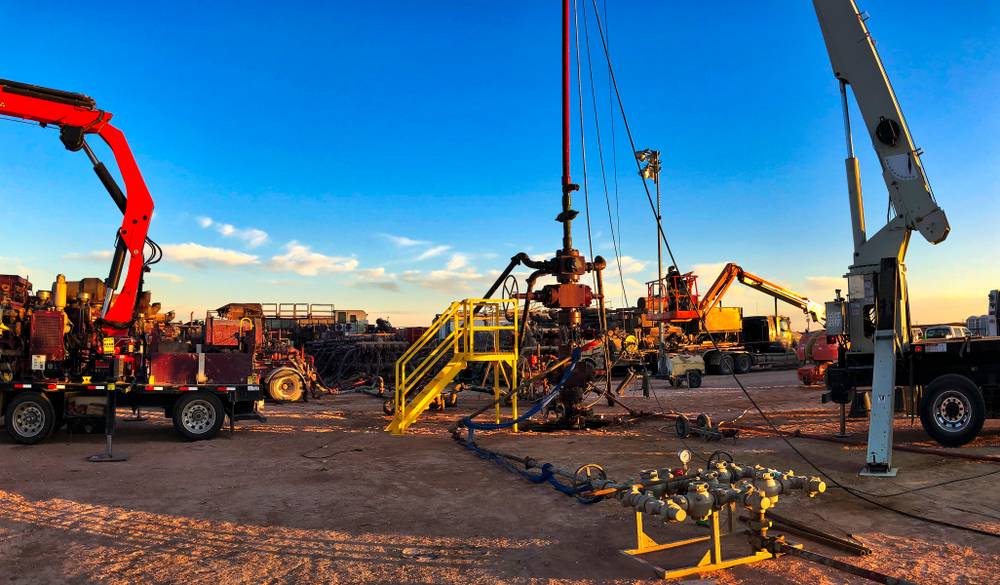
This determines everything else, and many workers do not know the answer. Employers that opt out must notify employees and file an annual report of non-coverage with the Texas Department of Insurance, Division of Workers’ Compensation, so the answer is verifiable.
If your employer opted out, Texas Labor Code § 406.033 applies, and it is unusually favorable to injured workers. A nonsubscribing employer cannot argue that:
- You were partly at fault. Contributory negligence is unavailable as a defense.
- You knew the job was dangerous. Assumption of risk is unavailable.
- A coworker caused it. The fellow-servant rule is unavailable.
Losing all three at once shifts the balance of a case substantially. You still have to prove the employer was negligent, meaning it failed to provide safe equipment, adequate training, proper supervision, warnings, or workable safety procedures. But once negligence is established, the usual escape routes are closed.
The damages available are also different in kind. Workers’ compensation pays scheduled benefits. A negligence claim can reach future medical care, lost earning capacity over a working lifetime, and the human losses that benefit schedules do not recognize at all.
What If Your Employer Did Carry Workers’ Compensation?
You likely cannot sue that employer, but the claim is rarely over. Oilfield work involves layers of companies on a single site, and workers’ compensation only bars claims against your own employer.
Third parties who may be responsible include:
- The operator or well owner, for site conditions and overall safety coordination
- Another contractor on the pad whose crew created the hazard
- The equipment manufacturer, when a defective tool, valve, or pressure component failed
- A maintenance or inspection company that certified equipment as sound
- A trucking company, in the many oilfield injuries that involve vehicles rather than the rig itself
Gross negligence is a separate path in fatal cases. Texas permits a wrongful death claim against a subscribing employer where gross negligence caused the death, which is a narrow exception but a real one.
| Your situation | Who you can pursue | What you can recover |
|---|---|---|
| Employer opted out (nonsubscriber) | The employer directly, in negligence | Full tort damages, including future care and lost earning capacity |
| Employer carried comp | Third parties, not your employer | Full tort damages from those third parties, plus comp benefits |
| Fatal injury, employer carried comp | The employer, on gross negligence, plus third parties | Wrongful death and exemplary damages where proven |
| Independent contractor, not an employee | Generally the hiring company and other on-site parties | Full tort damages |
Worker classification is frequently disputed in this industry, and the label on a contract does not settle it.
Do Maritime Laws Like the Jones Act Apply to Eagle Ford Rigs?
Almost never. The Jones Act protects seamen working aboard vessels, and it governs offshore drilling in the Gulf of Mexico rather than land-based operations.
The Eagle Ford Shale is land drilling across South Texas. A worker on a pad in Karnes County is not a seaman, and the Longshore and Harbor Workers’ Compensation Act does not reach that work either. Texas law governs.
The distinction matters because people search for maritime remedies after hearing about them from Gulf Coast coworkers, then conclude they have no case when told the Jones Act does not apply. The nonsubscriber statute is frequently the better path anyway.
Where Do Eagle Ford Injuries Actually Happen?
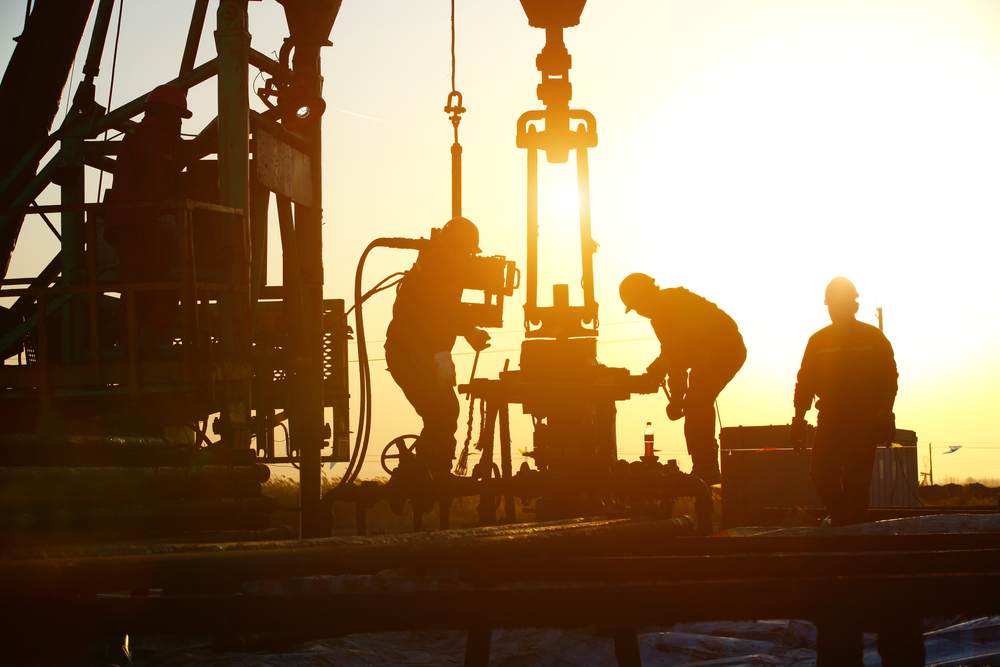
Across the counties fanning south and east of San Antonio, which is the operational hub for the play. Karnes, La Salle, Dimmit, McMullen, Live Oak, Atascosa, Frio, Gonzales, DeWitt, and Webb counties carry most of the activity.
That geography shapes these cases in ways that surprise people. Injured workers are often transported long distances to San Antonio hospitals, which means the medical records and the accident site sit in different counties. Rural sheriff’s offices, not urban police departments, handle the initial reports, and those reports tend to be brief.
A large share of oilfield injuries never happen on the rig at all. They happen on the two-lane FM roads and US highways feeding the pads, where water trucks, sand haulers, and crew vehicles run long shifts on roads never engineered for that traffic. Those are trucking cases layered on top of workplace cases, with separate insurance.
What Kinds of Oilfield Injuries Do You Handle?
The severe ones, which is most of what this industry produces. Blowouts and well control incidents, flash fires and explosions, hydrogen sulfide exposure, falls from derricks and platforms, dropped objects, pipe and tong injuries, crane and rigging failures, pressure releases, and vehicle collisions on lease roads.
The resulting injuries tend to be permanent. Severe burns, traumatic brain injury, amputation, spinal cord damage, and crush injuries. We handle these alongside our other catastrophic injuries from oilfield explosions, because the damage models require the same approach: life care planning, vocational analysis, and economists rather than a simple bill total.
These claims also overlap with our workplace accident claims in San Antonio and, on the infrastructure side, with construction site injuries on pipeline and facility builds.
Call (210) 225-0909. There is no cost to find out which path applies to you.
Why Do Oilfield Cases Need to Move Fast?

Because sites get restored and equipment gets repaired or scrapped. A rig moves off a pad within days of finishing, and the physical evidence of what failed leaves with it.
The records that matter also live with the companies involved: job safety analyses, pre-tour meeting documentation, equipment inspection and certification records, maintenance logs, third-party contractor agreements, and the daily drilling reports. None of it is produced voluntarily.
Federal workplace safety rules add a useful layer. OSHA requires employers to report serious injuries within set timeframes and investigates many oilfield incidents, and those findings can support a negligence claim. An OSHA citation is not the same as proving your case, but it is evidence a company already had notice.
How Long Do You Have to File?
Generally two years from the date of injury, under Texas Civil Practice and Remedies Code § 16.003. Wrongful death claims run two years from the date of death.
Workers’ compensation claims carry their own separate and much shorter notice deadlines, and missing those can complicate a case even when the two-year litigation window is open. If any part of your situation involves a comp claim, timing needs attention immediately.

Talk to Someone Before You Sign Anything
Oilfield companies move quickly after a serious injury. Workers are asked to give statements, sign paperwork, see a company-designated doctor, and sometimes accept an early payment. Some of those documents close the claim permanently.
George started his career at an insurance defense firm before spending two decades on the other side, and several of our attorneys share that background. He still gives clients his cell number.
We answer around the clock, work in English and Spanish, and charge no fee unless we recover money for you. If your injuries make travel difficult, we will come to you.
Call (210) 225-0909.
FAQ
How do I find out whether my employer had workers’ compensation?
You can ask, but you do not have to rely on the answer. Employers that opt out must file an annual report of non-coverage with the Texas Division of Workers’ Compensation, and that filing is checkable. Confirming coverage status is one of the first things we do, because it determines what kind of case you have.
Can I be fired for filing a claim after an oilfield injury?
Texas law prohibits retaliation for filing a workers’ compensation claim in good faith. Nonsubscriber situations are different and more complicated, since the statutory protection is written around the comp system. If you were let go after reporting an injury, the timing and the stated reason both matter and are worth reviewing.
What if I signed an arbitration agreement when I was hired?
Many nonsubscriber employers require them, and they are common in the oilfield. Whether one is enforceable depends on how it was presented, what it says, and whether it was properly adopted. An arbitration agreement changes where a case is heard rather than whether you have one, and it should be reviewed before anyone assumes it ends the matter.
Does my immigration status affect an oilfield injury claim?
No. Texas law protects workers injured by another’s negligence regardless of citizenship or immigration status, and an employer cannot use your status as a defense to unsafe conditions. We handle these cases with that concern in mind, including how we communicate with you.
What if I was hurt on a lease road rather than on the rig?
That is frequently the stronger case. A crash involving a water truck, sand hauler, or crew vehicle brings in commercial auto coverage and often a separate trucking company, and those claims are not limited by workers’ compensation the way an on-site injury against your own employer may be.
Meet Our Top-Rated San Antonio Workplace Injury Attorneys




Attorney advertising. Prior results depend on the facts of each case and afford no assurance of similar future outcomes. Statutes and deadlines referenced here should be confirmed for your situation.